
Our process
How We Make It: The Lanas Way
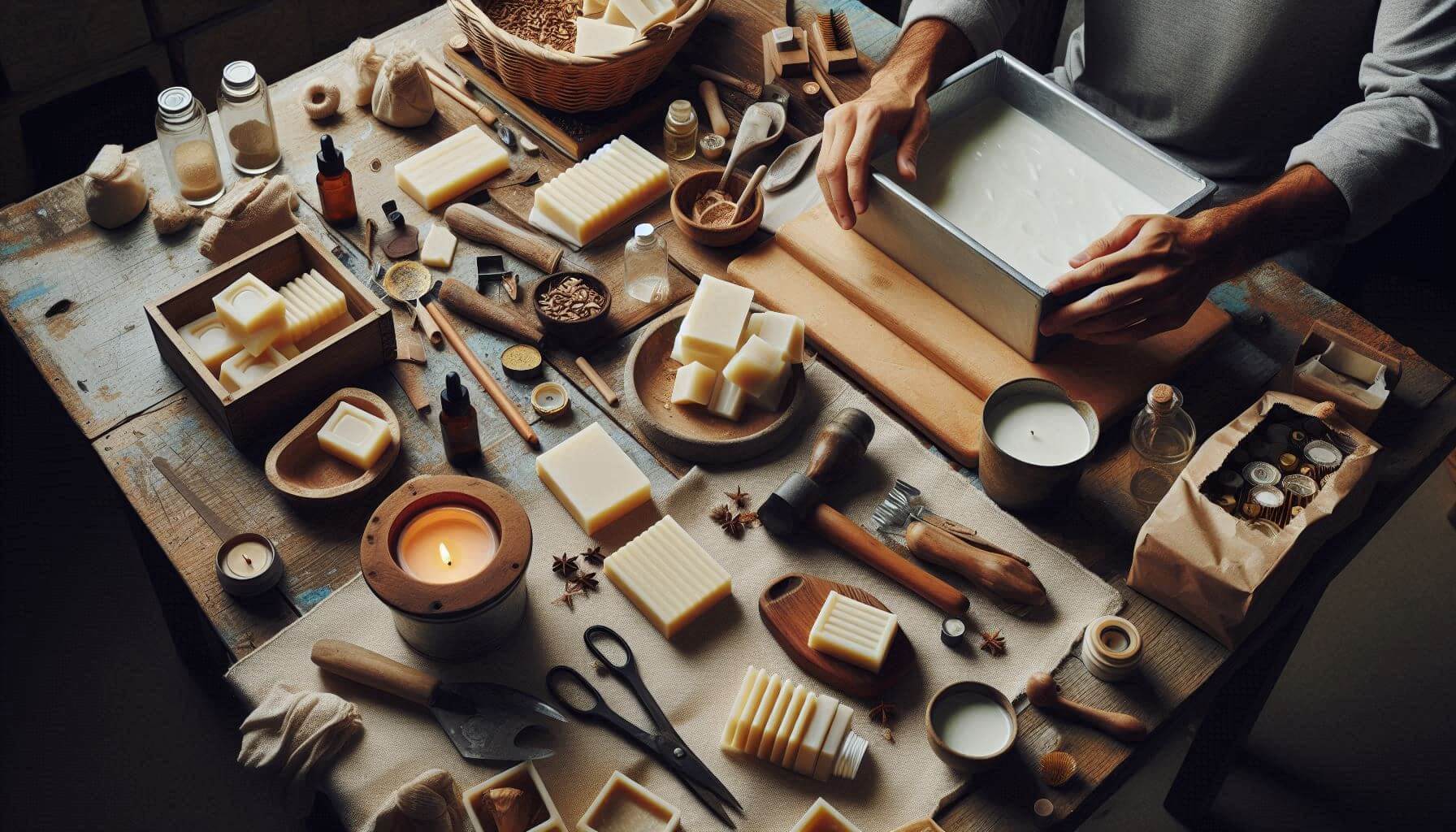
Every bar of soap and every candle that leaves my workshop starts the same way — with a table full of raw ingredients, a notebook full of recipes, and the same thought running through my head: keep it simple, keep it honest.
Nothing in our products comes from a factory line. It’s just time, precision, and the slow satisfaction of watching raw materials turn into something beautiful and useful.
1. Choosing the Ingredients
Each batch starts with a purpose — maybe a soothing soap for dry skin or a cleansing bar for oily skin. I pick oils and butters that match that goal.
Olive oil for moisture. Coconut oil for lather. Shea butter for richness. Sometimes a touch of avocado oil for a silkier feel.
I also choose the scent carefully — pure essential oils only. Lavender for calm, peppermint for energy, citrus when I want the workshop to smell like sunshine.
2. Measuring and Mixing
Soap-making is part art, part chemistry. I weigh everything down to the gram. Then I slowly mix lye with distilled water — it heats up quickly, so I let it cool to just the right temperature before blending it with the oils.
This is the heart of cold process soap: when the two mixtures meet, the oils and lye react and turn into something entirely new — soap and glycerin.
3. Blending and Pouring
Once the mixture thickens to what we call “trace” — like warm custard — I add essential oils, clays, or botanicals. Every swirl, color, and texture is mixed by hand.
Then it’s poured into wooden molds, smoothed out, and covered to stay warm while the magic happens.
4. Curing
The next day, I cut the slab into bars — still soft, still warm. Then I leave them to cure on open racks for four to six weeks.
This is where patience comes in. The soap hardens naturally, the water evaporates, and the bar becomes gentle, long-lasting, and ready for use.
No shortcuts, no artificial hardeners. Just time and air.
5. Wrapping
When the bars are fully cured, I wrap them by hand using eco-friendly paper or kraft boxes. Every bar gets labeled, weighed, and checked before it’s ready for someone else’s hands.
It’s slow work, but that’s what keeps each batch honest.
Our Candle-Making Process
Soap-making is chemistry; candle-making is meditation. The process feels slower, quieter — a rhythm I never rush.
1. Selecting the Wax
We use natural soy wax because it burns cleaner and lasts longer than paraffin. It’s plant-based, biodegradable, and holds scent beautifully.
The wax is melted slowly, never overheated, to keep its smooth texture.
2. Blending the Fragrance
When the wax reaches the right temperature, I add essential oils. No synthetic fragrance oils — just real botanical scents.
It’s a delicate balance; too much, and the candle won’t burn right. Too little, and the scent fades. I test every blend myself, one candle at a time.
3. Pouring and Setting
Wicks go into clean jars, straight and centered. Then I pour the warm wax slowly, in small batches, to prevent bubbles or uneven tops.
After pouring, the candles rest for a day to set. The room smells like a calm storm of oils — lavender, bergamot, vanilla, cedarwood.
4. Curing and Finishing
Candles cure for a few days before being trimmed, labeled, and wrapped. This helps the scent settle and the wax harden perfectly.
When they’re ready, each candle burns evenly, cleanly, and fills a room without overwhelming it.
The Philosophy
Whether it’s soap or candles, the idea is the same: slow craft, pure ingredients, and no waste.
Everything is made in small batches, by hand, with intention.
The goal isn’t perfection. It’s presence — knowing that something made with care will bring a little calm to someone else’s day.
Written by Illana
Maker at Lanas – Handmade Wellness from South Africa